Who must be ready
Offshore workers, vessel crews, contractors, technicians, industrial teams, government responders, emergency units, drilling contractors, service companies, and renewable-energy stakeholders.

Capability
COMPASS Offshore combines internationally aligned training, realistic facilities, controlled documentation, and scenario-based practice for offshore, maritime, industrial, energy, and wind safety readiness.
The Offshore Role
The capability model turns risk into readiness by aligning workers, critical tasks, quality controls, and practical training environments.
Offshore workers, vessel crews, contractors, technicians, industrial teams, government responders, emergency units, drilling contractors, service companies, and renewable-energy stakeholders.
Survival, helicopter escape, breathing systems, H2S, lifting, rigging, control room response, emergency leadership, confined-space work, and working at height.
OPITO requirements, ISO quality controls, assessment integrity, safe facilities, documentation, certification records, feedback, and continual improvement.
Core Capabilities
The portfolio spans BOSIET, FOET, HUET, emergency response, major emergency management, H2S, lifting, rigging, confined space, working at height, and client-specific programs. GWO Basic Safety Training modules are undergoing approval.
Standards Before Claims
Accredited systems, realistic training facilities, and the wider COMPASS ecosystem support high-risk workforce readiness.
OPITO supports internationally recognized offshore training and competence requirements. The ISO-certified system supports controlled course design, instructor and assessor competence, facility readiness, documentation, feedback, and continual improvement. GWO Basic Safety Training extends the pathway toward renewable-energy workforce development once approved.
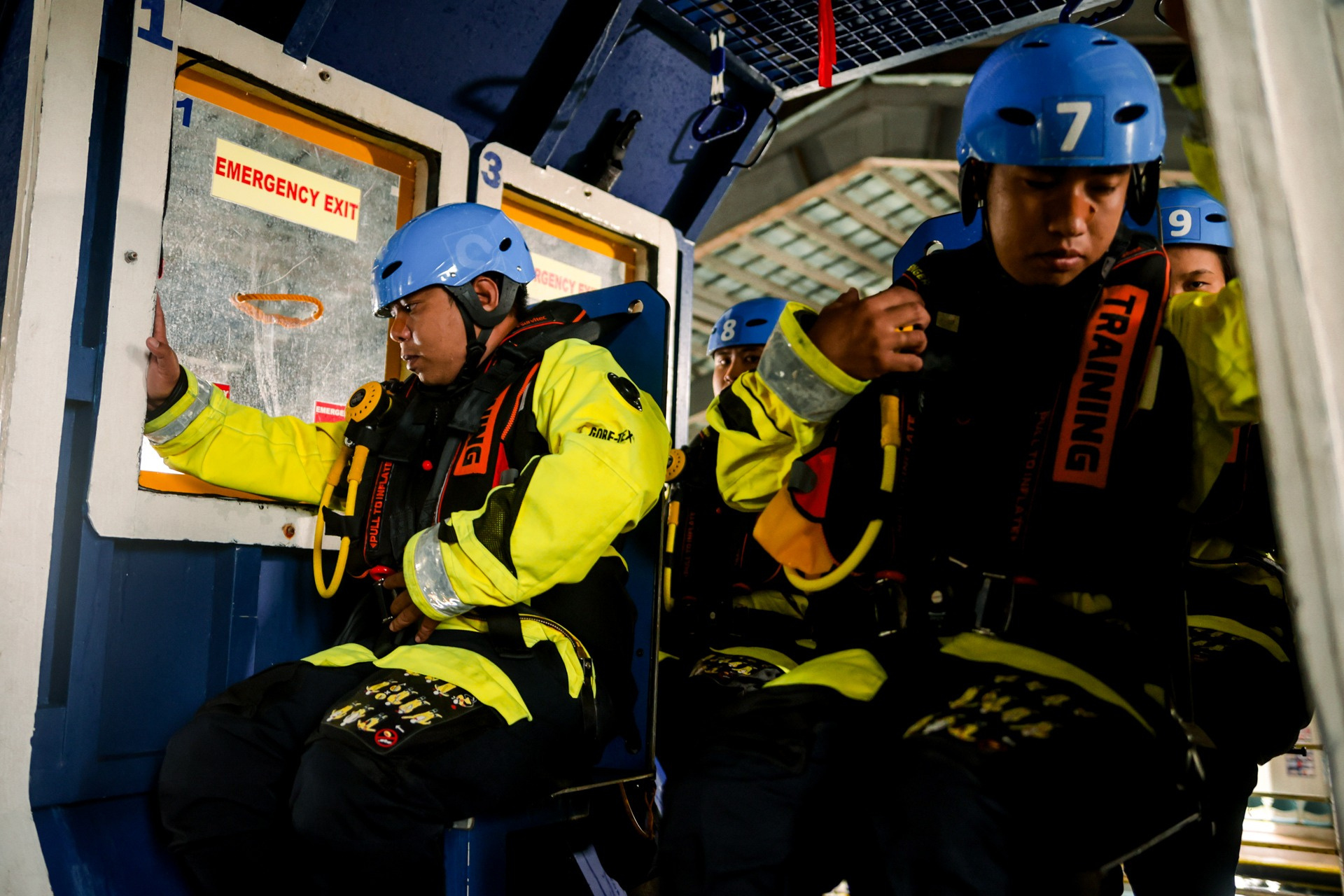
Realistic Training Environment
Facilities support classroom, water, fire, lifting, rigging, breathing apparatus, and welfare needs in one practical training site.
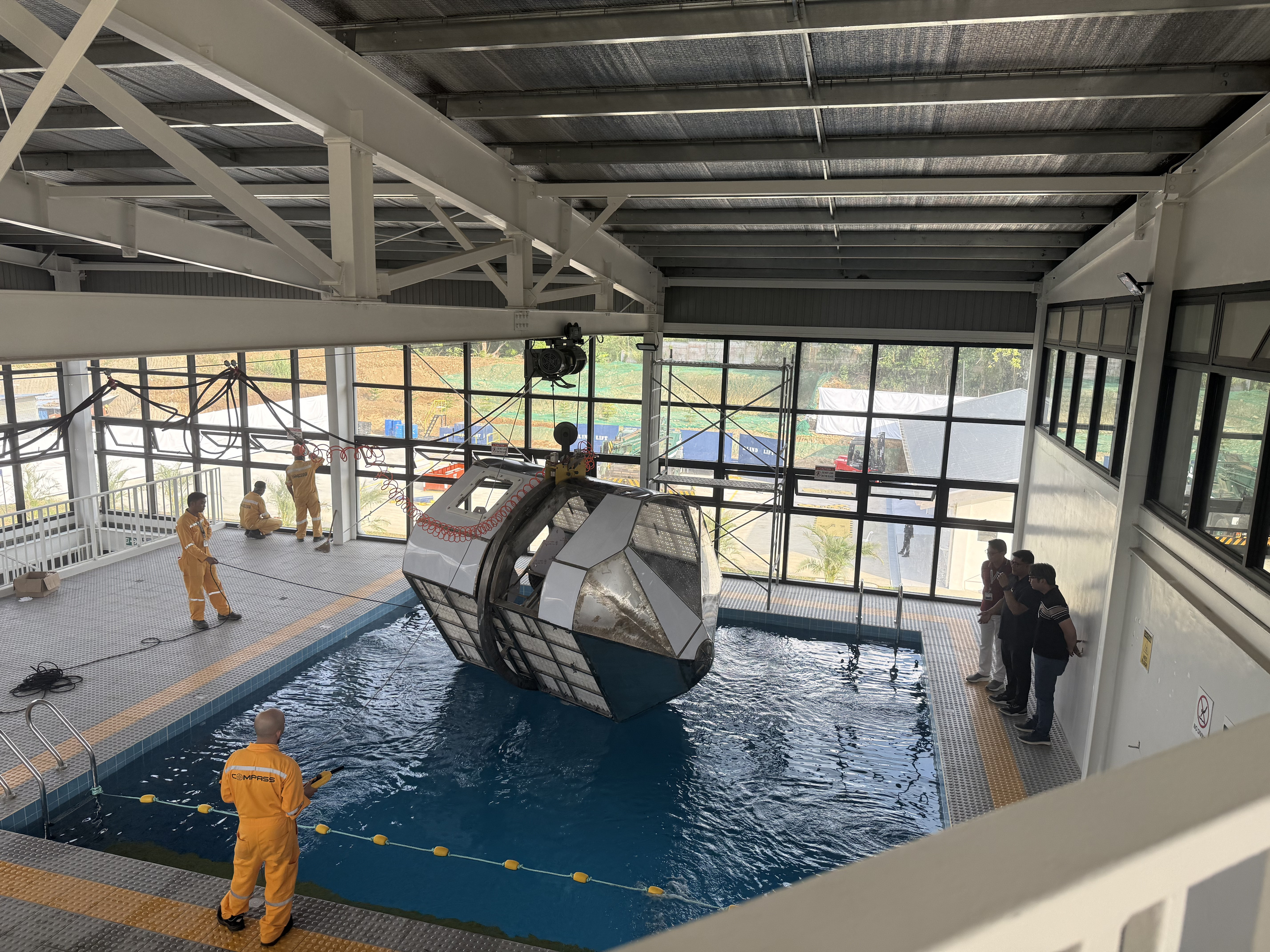
Pool-based training with helicopter module for survival and helicopter underwater escape practice.
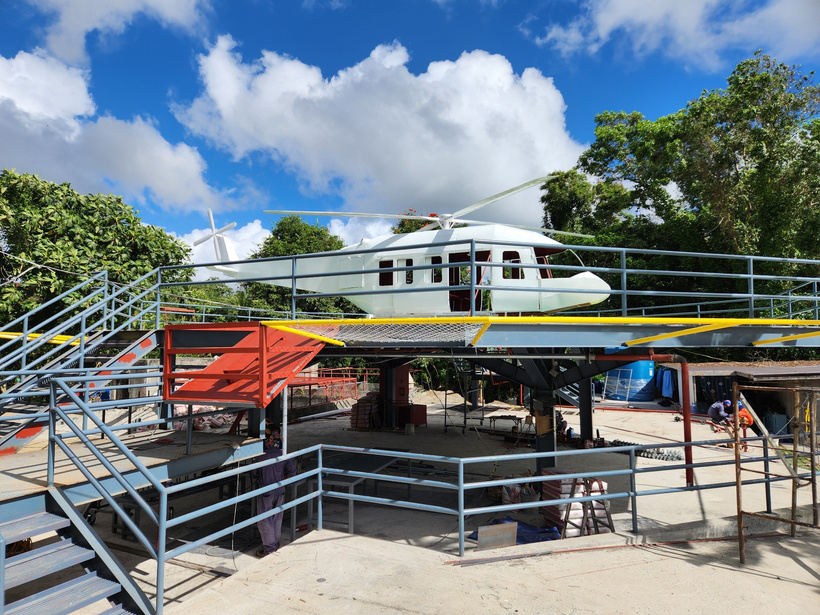
Water-based stations for maritime and offshore survival, craft handling, and related practical exercises.
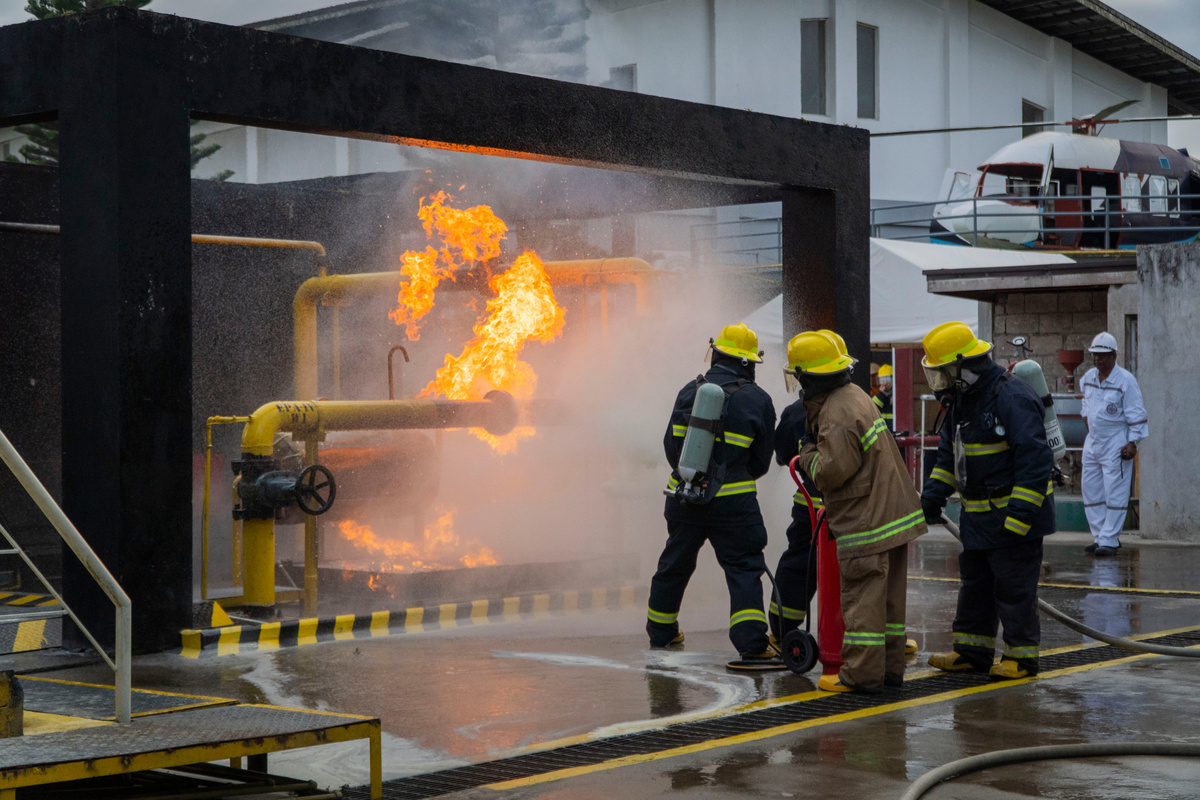
Controlled fire and emergency response practice for operational readiness.
Practical environments for breathing systems, emergency procedures, and safety checks.
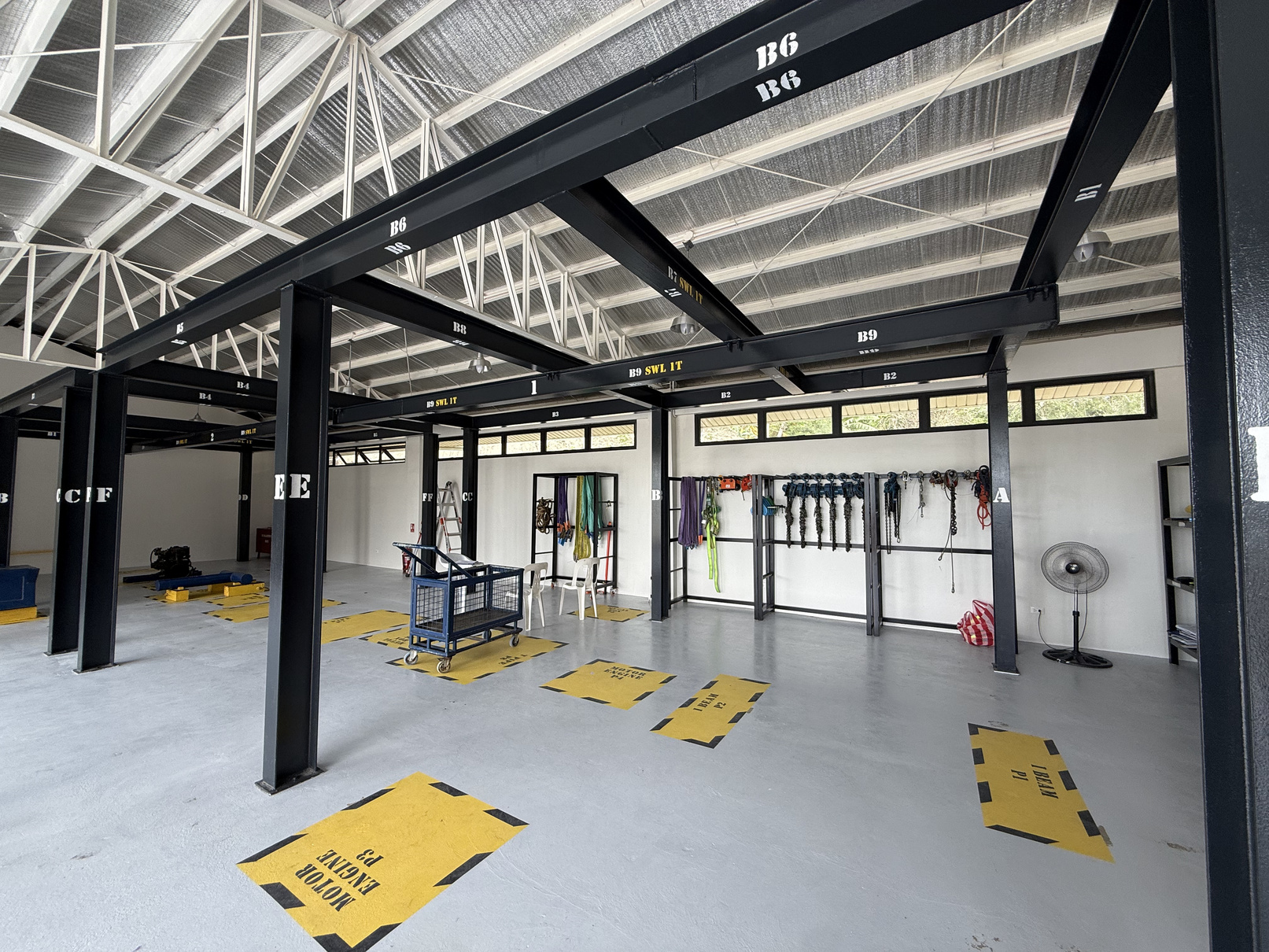
Task areas for rigging, signaling, load control, and lifting support roles.
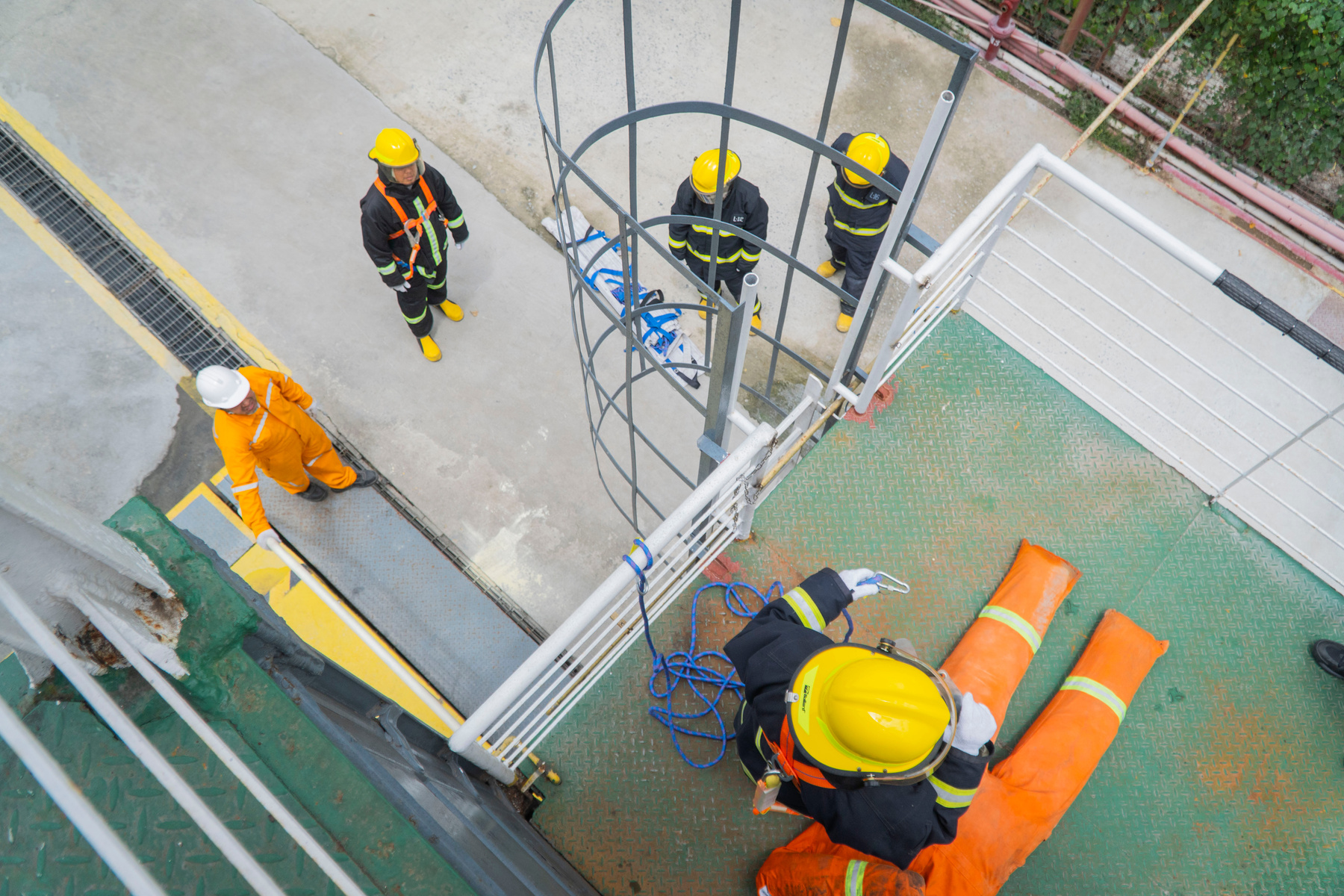
Training environment for future helideck operations and emergency response courses.
Prepared people. Safer operations. Stronger readiness.